
Filters
The All Session Pass : One pass. All eleven Deep Chats. Nothing to decide week to week. (Saving £90)
The full schedule includes:
ADHD, AI and business with Amanda Perry | 5th November 2026 | 11:00-12:00 (UK)
ADHD, food and disordered eating with Dr Miguel Toribio-Mateas | 10th November 2026 | 12:00-13:00 (UK)
Take Off the Mask, Meet Who You Actually Are with Marie Chaproniere | 12th November 2026 | 11:00-12:00 (UK)
ADHD & relationships with Michaela Thomas, clinical psychologist | 17th November 2026 | 12:00-13:00 (UK)
ADHD and hormones with Adele Wimsett, hormone specialist | 23rd November 2026 | 12:00-13:00 (UK)
ADHD in the Black community with Abigail Agyei-Jones MBE | 26th November 2026 | 18:00-19:00 (UK)
ADHD and Parenting with Lauren O'Carroll | 1st December 2026 | 12:00-13:00 (UK)
ADHD and trauma with Dr Miguel Toribio-Mateas | 8th December 2026 | 13:00-14:00 (UK)
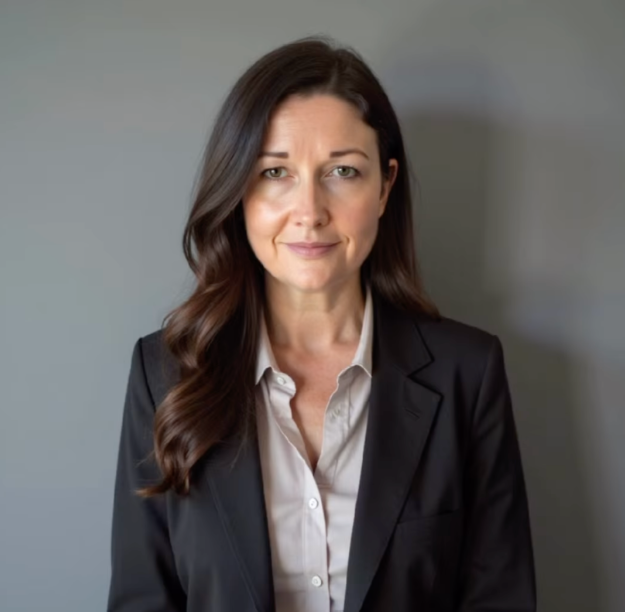
ADHD and fertility with Angela Heap | 10th December 2026 | 11:00-12:00 (UK)
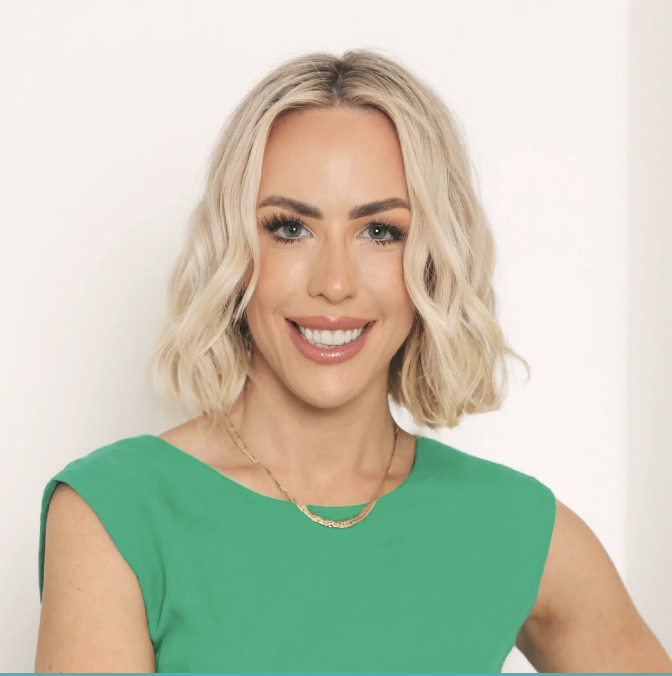
ADHD and the workplace with Jodie Hill | 7th January 2027 | 11:00-12:00 (UK)
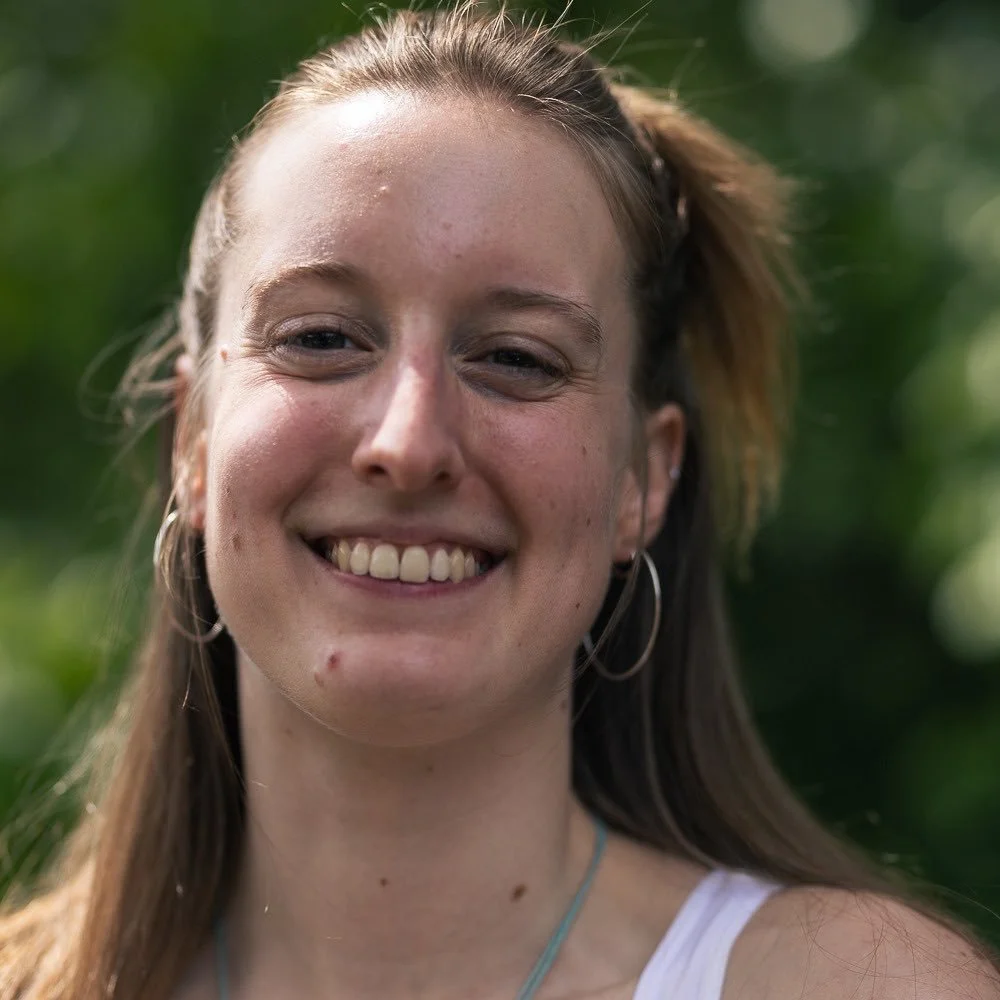
ADHD and Sex with Liz Hunter | 14th January 2027 | 11:00-12:00 (UK)
After signing up to all sessions you’ll receive a confirmation email, but don’t worry, you’ll also receive a reminder from us 24 hours before each session is taking place .
5th November 2026 | 11:00-12:00 (UK)
"Once a month I want to close the whole thing down."
Said every ADHD founder I've ever met.
Being FREE from a restrictive workplace and FINALLY starting a career you love sounds like the dream. And for the 61% of us who never go back, it mostly is.
But ADHD doesn't magically disappear the day you start the business. Oh no. The usual culprits come with you:
Admin. Taxes. Scheduling. Prioritising.
And if we don't get coached on it ourselves, the dream can quietly become draining.
It took me a long time to realise I was still showing up in my business as if I was working for someone else. I'm still untangling that one daily.
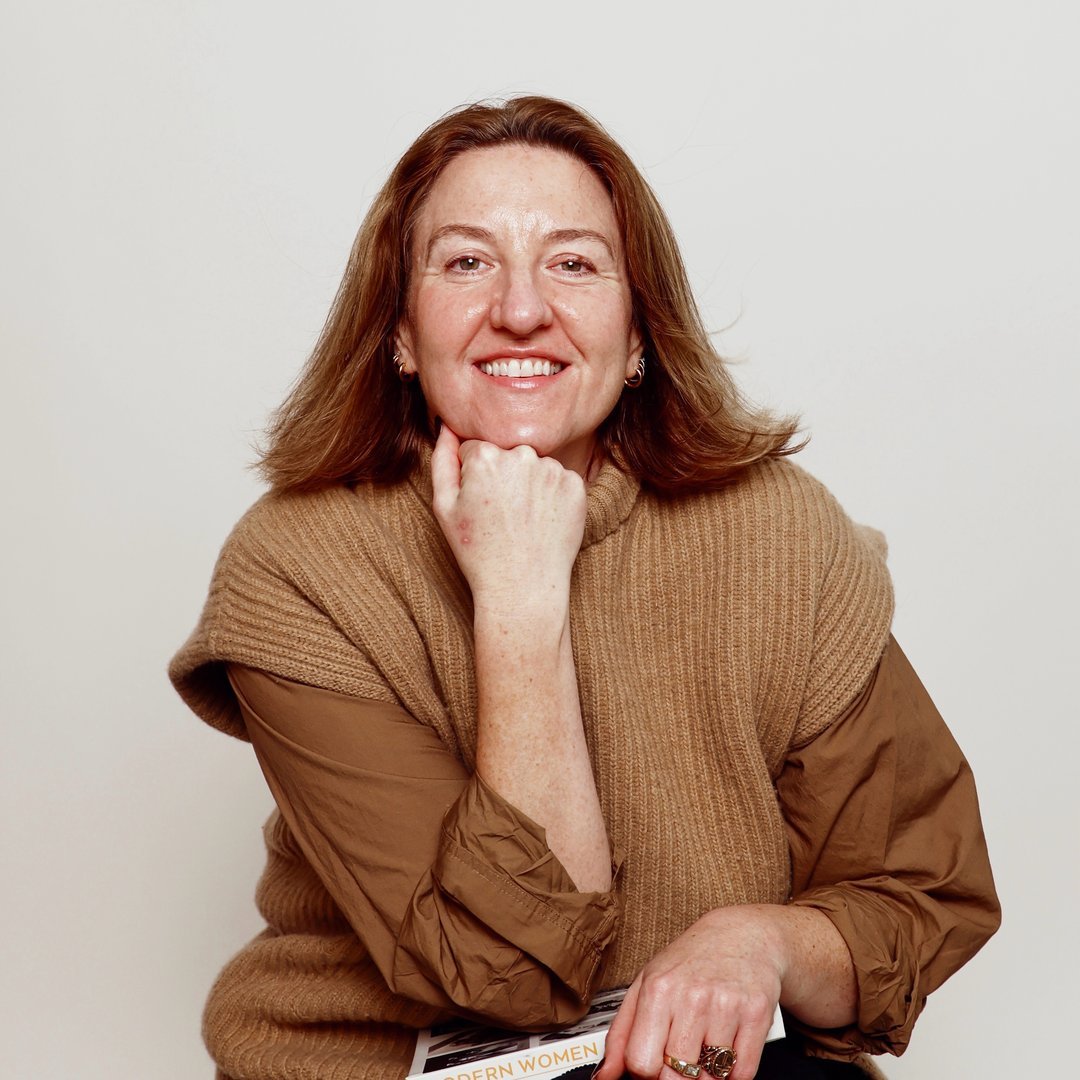
Someone who continues to inspire me on that front is Amanda F*cking Perry.
I'm so excited I could actually scream. Amanda is one of my absolute favourite people in this industry, and she's joining our ADHD Informed Coach Training as a Deep Chat expert.
If you don't know her then let me introduce her Meet Amanda Perry - Author of the new book Brain First Business. A woman who KNOWS, like really knows, what it's like to start, grow, fail and restart a business with ADHD. And on top of all that, she's authentic and really bloody kind.
🧡 Untangling ADHD & AI: Building Your Brain-First Business, with Amanda Perry

10th November 2026 12:00-13:00 (UK)
Can sugar cause ADHD? Is food noise louder in an ADHD brain?
Should every ADHDer be drinking kefir daily?
Can we coach someone through an eating disorder, as a coach?
Where does coaching start and end? When do we signpost?
What are we allowed to coach on, and what are we not?
Questions I've drilled Dr Miguel on since the day I met him.
Because here's what we know. The overlap between ADHD and eating disorders is big. 11.5% of adults with ADHD have binge eating disorder, against 3% of everyone else. We're nearly four times more likely to have an eating disorder of any kind. Which means it's very likely you will come across clients who are, or have, struggled with food.
First it was personal for me. Two years of bulimia, years of restriction I called being healthy, binge eating disorder, three years without a period. Then I had a client with an eating disorder, and for the first time I felt I wasn't the coach for the job. I realised I had to attend to something I was avoiding.
What I untangled was life changing. The process to support ourselves and our clients through this is complex, which is why this Deep Chat happens on every single coach training we do.
And there ain't no one better for the job than our VERY own co-lead on the ADHD Informed Coach Training, author of ADHD: Brain, Body & Mind and everyone's favourite neuroscientist, Dr Miguel Toribio-Mateas. Clinical neuroscientist, nutrition researcher, and a late diagnosed ADHDer himself. He studies the gut and the brain for a living and lives in an ADHD body at the same time. And on top of all that, he's the kindest, least preachy nutrition expert you'll ever meet. His actual advice for a bad day: "What is so bad about having a frozen vegetable lasagne in the freezer?"
🧡 Untangling ADHD & Disordered Eating as an ADHD Coach, with Dr Miguel Toribio-Mateas, clinical neuroscientist
12th November 2026 | 11:00-12:00 (UK)
"I don't know who I am when I'm not performing."
Said by nearly every late diagnosed ADHDer I've ever met.
And if you coach ADHDers, or you're training to, you've prob heardOr you will. Maybe not in those words. Maybe as "I'm fine", said by someone who is very clearly not fine.
Because the research backs up why this matters. Boys are diagnosed three to four times more often than girls in childhood, but by adulthood it's nearly one to one, which means a whole generation of girls learned to hide it instead. Adult ADHD diagnoses in the UK rose around twentyfold between 2000 and 2018. And 69% of workers with ADHD have no reasonable adjustments because they never told anyone. Which means it's very likely a good chunk of your clients are masking at work right now, and some of them are masking in your sessions too.
It shows up as the client who over prepares for every session. The one who apologises before they've said anything. The one who's brilliant at their job and completely burnt out by it. The one who got the diagnosis, felt the relief, and then a grief nobody warned them about.
I did ten years of corporate PA jobs convinced a brain like mine could never earn a living doing something it loved. I was good at those jobs. I was also playing a part in every single one of them. It took leaving corporate, and a diagnosis, to find out who was under the part.
So, coach to coach: can you spot masking in a session, when the mask is the very thing that makes a client look like they're doing well? How do you coach someone towards what they want when they've spent 20 years never asking? Is unmasking at work actually safe for this client, and who decides? And when is late diagnosis grief coaching work, and when does it need a therapist?
The process to support ourselves and our clients through this is complex, which is why this Deep Chat happens on every single coach training we do. And now you can join this one without being on the training.
What you'll walk away with:
What masking actually is for an ADHDer, what it costs, and how to spot it in a client who looks fine
The grief that comes with a late diagnosis, why it's normal, and how to hold it in a session without turning into a therapist
How to coach the unmasking decision at work, disclose or don't, without pushing a client somewhere that isn't safe for them
Questions that help a client meet who they are underneath, and where to start when they have no idea
A look at your own mask, because most of us coach with one on too
Whether late diagnosed ADHDers are the niche you want to build in
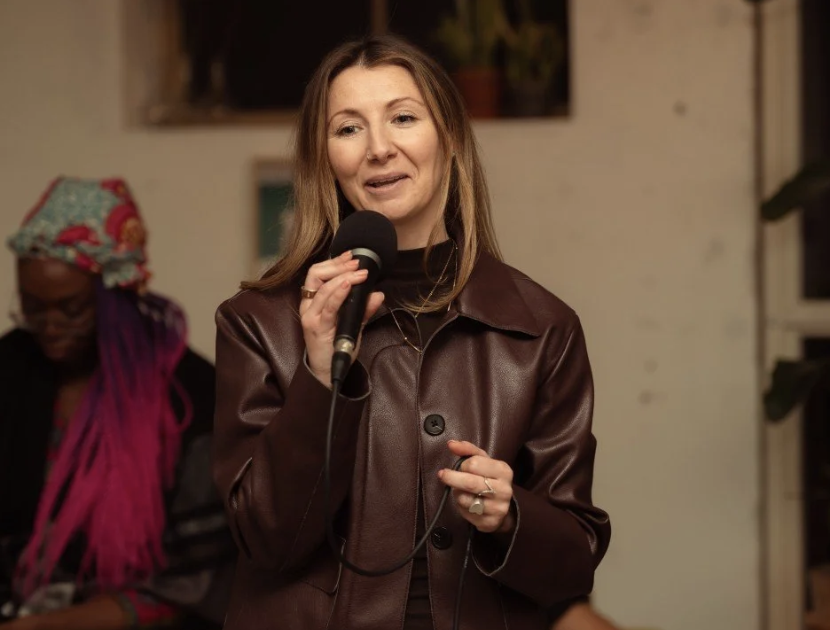
And there ain't no one better for the job than founder of Behind The Mask, one of our very own 1:1 coaches here at ADHD Untangled, and one of my best friends, Marie Chaproniere. Fifteen years in Talent Acquisition helping other people feel seen while quietly masking herself. Then at 37, burnout stopped her, and an ADHD diagnosis explained a lifetime of adapting to everyone else's rhythm. A woman who KNOWS, like really knows, what masking costs, because she paid it for years. And on top of all that, she's one of the most compassionate people I've ever met. A deep feeler and a deep thinker. I could not be prouder of the work she does and how she does it.
🧡 Untangling ADHD & Unmasking at Work as an ADHD Coach, with Marie Chaproniere
17th November 2026 | 12:00-13:00 (UK)
"I was too much." "I wasn't enough."
Said by nearly every ADHDer I've ever met, usually in the same breath.
You know the spiral. Replaying every moment on a loop. Trying to work out where it all went wrong. The pendulum swinging between the two.
ADHD makes relationships complex. Or let's say interesting. And it leads us, and more often the people around us, to believe we're just forgetful, couldn't care less, selfish. Maybe even narcissistic.
Most of the drama in our chaotic love stories comes down to one thing. Misunderstanding.
And the research backs it up. Adults with ADHD report lower relationship satisfaction and more hostile conflict. In one study, 24 out of 25 partners of an ADHDer said the symptoms got in the way of daily life together. And parents of a child with ADHD were nearly twice as likely to have divorced by the time that child turned eight. Which means it's very likely your clients will bring a relationship into the coaching room, whether you ask them to or not.
First it was personal for me. Earlier this year I was licking my RSD wounds from a breakup and doing the full spiral. Then I listened back to a podcast I'd recorded and the guest said: "We're doing our very best with what we've got." And she was right.
Then it was my clients. The partner who doesn't get it. The parent who never did. The friendship that went quiet. Every one of them landing in a session that was booked for something else.
So, coach to coach: is couples coaching a route you might want to take? What do you need to know before a partner joins a session? How do you help a client explain their brain to the person they love without it turning into another argument? And when is it therapy, not coaching?
The process to support ourselves and our clients through this is complex, which is why this Deep Chat happens on every single coach training we do.
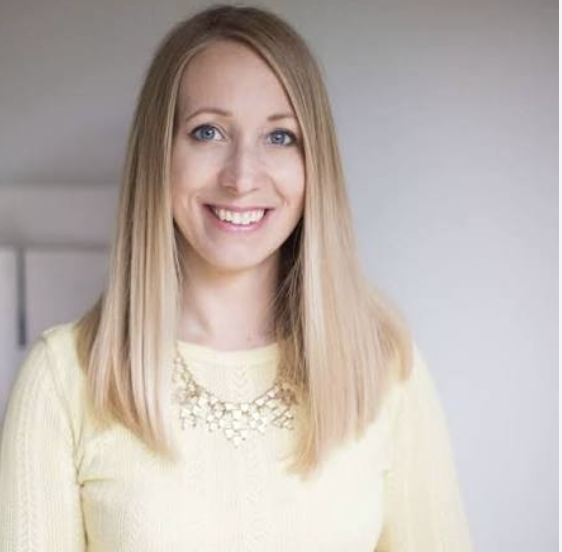
And there ain't no one better for the job than our very own ethics and safety lead, clinical psychologist, couples therapist and author of the bestselling book The Lasting Connection, Michaela Thomas. A woman who KNOWS, like really knows, what ADHD does inside a relationship, because she sits with couples living it every week. Direct, compassionate, and never once made me feel like a problem to be fixed. And on top of all that, she's the person who teaches our coaches where the line is.
🧡 Untangling ADHD & Relationships as an ADHD Coach, with Michaela Thomas
23rd November 2026 | 12:00-13:00 (UK)
Untangling ADHD & Hormones: The Truth We Can't Ignore, with Adele Wimsett
If there’s one statement i just wont tolerate anymore its
"You can't blame everything on your hormones."
Because Adele Wimsett says oh yes you can.
One of the biggest things I've untangled since starting this company is that hormones are responsible for everything. How sexy we feel. How hungry we are. How we sleep, focus, cope, snap.
And ADHD makes it a whole lot more complicated.
I lost my period for three years through disordered eating and I thought it was just my ADHD [turned up to full volume]. Now I'm navigating perimenopause
Here's the bit we're not told. Women with ADHD are far more likely to have PMDD, our cycles hit harder, and we've spent way too long being forgotten. There is A LOT we can do. We just aren't given the full information.
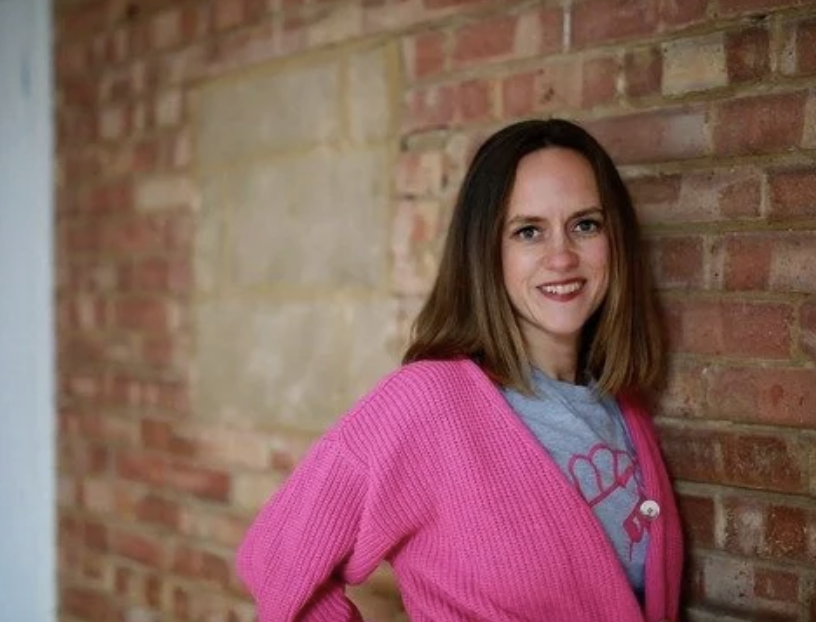
Adele is on a mission to change that. Women's health practitioner, hormone specialist, fellow ADHDer, and one of the most direct and passionate voices in this industry on the topic. A woman who KNOWS, like really knows, because she lives it and works in it every day. And on top of all that, she's funny and brutally honest.
🧡 Untangling ADHD & Hormones: The Truth We Can't Ignore, with Adele Wimsett,
26th November 2026 | 18:00-19:00 (UK)
ADHD is misunderstood. Misdiagnosed. So many people forgotten.
But one community is more impacted and more forgotten than most. So much so that it's rarely even spoken about inside the ADHD community. The Black community.
And the research backs it up. A 2020 meta-analysis in JAMA Psychiatry found around 14% of Black children and young people have ADHD, higher than the general estimate, which blows apart the old assumption that Black people get ADHD less. Teachers report more ADHD symptoms in Black kids than in any other group, while Black parents are less likely to report them, because of what a label costs a Black child. And in the UK, Black people screen positive for ADHD at a higher rate than White British people, yet are diagnosed later, if at all. Which means it's very likely a Black client will sit in front of you undiagnosed, misdiagnosed, or diagnosed with something else entirely.
It shows up as the "naughty" kid who was actually struggling. The girl who was told she was loud, bossy, too much, and learned to be strong instead. The woman who's been holding everything together for so long that nobody, including her, thought to ask why it's so hard. Abigail calls it the Superwoman Schema. Be strong. Don't show it. Cope.
I'll say it plainly. I don't have lived experience of this. Most ADHD coaches don't. Which is exactly why our coaches don't get a watered down version of it from me. They get the person who lives it.
So, coach to coach: do you know what adultification did to the client in front of you when she was nine? Can you spot the Superwoman Schema in a session, and do you know how to work with it rather than against it? Is your coaching room actually safe for a Black client, or do you just assume it is? And when is your own lens the thing that's getting in the way?
The process to support ourselves and our clients through this is complex, which is why this Deep Chat happens on every single coach training we do. And now you can join this one without being on the training.
What you'll walk away with:
Why ADHD is underdiagnosed and misdiagnosed in the Black community, and what that does to a person by the time they reach you
How ADHD shows up differently, and gets read differently, in Black children, Black women and Black men
Adultification, the Superwoman Schema and cultural insensitivity, in plain English, and what they look like in a coaching session
The questions to ask, and the ones to stop asking
How to make your coaching room safe, and what to do when your own lens is the problem
Where to signpost: the communities and practitioners who get it
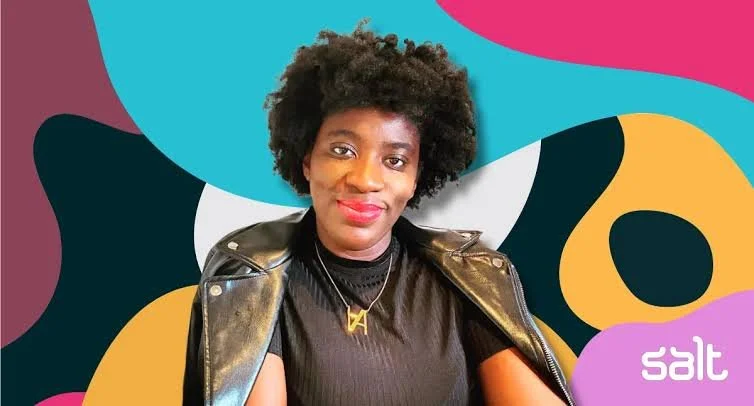
And there ain't no one better for the job than Abigail Agyei MBE. Senior policy and strategy advisor in the UK Civil Service, awarded an MBE for public and community services, TEDx speaker on Black women and ADHD, one of the Top 50 Influential Neurodivergent Women, and a late diagnosed ADHDer herself. A woman who KNOWS, like really knows, because she went looking for herself in the ADHD conversation and found the Black community wasn't in it, so she put it there.
🧡 Untangling ADHD in the Black Community as an ADHD Coach, with Abigail Agyei-Jones MBE, Senior policy advisor, UK Civil Service, TEDx speaker
1st December 2026 | 12:00-13:00 (UK)
My child's just been diagnosed. And now I'm wondering about me.
And the research backs it up. ADHD is one of the most heritable conditions there is, around 74% by the biggest study to date. Parents of a child with ADHD were nearly twice as likely to have divorced by the time that child turned eight. And a UK study found parents of ADHD kids carry a measurably heavier load on their own health and wellbeing than other parents. Which means it's very likely your clients are parenting an ADHD child, or being parented by an ADHD parent, or both.
ADHD doesn't arrive at 35. It was there at 5. The kid who couldn't sit still, or the kid who sat too still and got missed. The meltdown at the school gate. The homework war. The parent doing it all on an ADHD brain of their own, and being told they're not consistent enough.
Then it was my clients. The mum who came for her own focus and spent the session on her son's school. The dad diagnosed a month after his daughter. The parent who's read every book and still feels like a shit one. The parent who's struggling to know if they're doing too much or too little to support their ADHD child.
So, coach to coach: can you coach a parent about a child you'll never meet? What does ADHD actually look like at 6, at 10, at 15? How do you support the parent without diagnosing the kid? And when is it school, CAMHS or a paediatrician's job, not yours?
The process to support ourselves and our clients through this is complex, which is why this Deep Chat happens on every single coach training we do. And now you can join this one without being on the training.
What you'll walk away with:
A high level overview of ADHD and parenting, from someone living both sides of it
How ADHD actually shows up in children, and how it's different at 6, 10 and 15
What parents really need from a coach, and what they don't
The questions to ask a parent, and the strategies you can share
Where a coach fits alongside school, CAMHS and the GP, and when to signpost
Whether parents and families is the niche you want to go deeper into
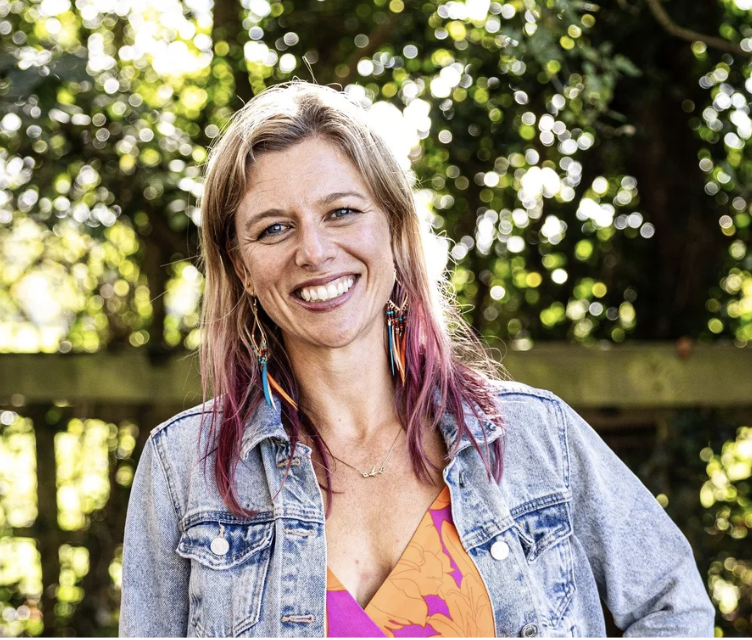
And there ain't no one better for the job than award winning ADHD parent coach, founder of Positively Parenting, ADHD UK ambassador, and author of the new book You're Not a Shit Parent, You Have ADHD, Lauren O'Carroll. An ADHD mum raising two neurodivergent daughters, with twenty years in advocacy, learning disability, mental health and the NHS behind her. A woman who KNOWS, like really knows, what it's like on both sides of that school gate. And on top of all that, she's authentic, passionate and refuses to let a parent feel like a failure.
🧡 Untangling ADHD & Parenting as an ADHD Coach, with Lauren O'Carroll

8th December 2026 | 12:00-13:00 (UK)
Does trauma cause ADHD?
Or is trauma the result of years of undiagnosed ADHD?
And how on earth do we tell the difference when there's a client in front of us?
Gabor Maté says trauma causes ADHD. Most of the ADHD world says it doesn't. Who's right, who's wrong, and does it even matter once someone's sat in your session?
Then let's deep dive into it.
Because the research backs up why this matters. ADHD is around 74% heritable, one of the most heritable conditions in psychiatry. And yet children with ADHD have more adverse childhood experiences than children without, and the more ACEs, the more severe the ADHD. Adults with ADHD are nearly three times more likely to have PTSD, and up to four times more likely compared with people who've had no trauma at all. Which means it's very likely your clients have both. Not one or the other. Both, tangled together, and often nobody has ever pulled them apart.
It shows up as the client who can't tell if they're distracted or dissociating. The one whose "hyperactivity" looks a lot like hypervigilance. The one who's been told it's "just trauma" and sent for therapy that didn't touch the ADHD. The one who's been told it's "just ADHD" and given a planner for something a planner was never going to fix. And the one who grew up being told they were lazy, careless and too much, every single day, and now calls that "just my childhood".
Can you tell the difference between an ADHD brain that's under stimulated and a nervous system that's on high alert? Do you know what's yours to work with, regulation, structure, self compassion, and what belongs to a trauma therapist? What do you do when a client brings you the Maté argument and wants you to pick a side? And when do you say, kindly, "this isn't mine to hold, and here's who can"?
The process to support ourselves and our clients through this is complex, which is why this Deep Chat happens on every single coach training we do. And now you can join this one without being on the training.
What you'll walk away with:
What the science actually says about trauma and ADHD, in plain English, so you can hold the Maté question without picking a side or panicking
Where the symptoms overlap and where they don't, hypervigilance or hyperactivity, dissociation or distraction, and why it matters for how you coach
Why growing up undiagnosed is a trauma of its own, and how to spot it in a client who's never called it that
Where coaching ends and trauma work begins, what's safely ours, and what isn't
When to signpost, who to, and how to say it without the client hearing "you're too broken for me"
Your own nervous system as a coach, because you can't co regulate from a body that's on fire
There is no one better for the job than our very own scientific co lead of the ADHD Informed Coach Training, clinical neuroscientist, and author of ADHD: Brain, Body & Mind, Dr Miguel Toribio-Mateas. He reads the research for a living and then translates it into words that a coach can actually use in a session.
🧡 Untangling ADHD & Trauma as an ADHD Coach, with Dr Miguel Toribio-Mateas
10th December 2027 | 12:00-13:00 (UK)
The conversation that rarely makes it into the coaching room.
ADHD affects fertility in ways most people don't connect: hormones, decision-making, executive function, relationships, confidence. Your clients are navigating fertility without understanding their own wiring. And if they're diagnosed post-fertility decisions, the grief is real.
What you'll walk away with
How ADHD shows up across the fertility journey - trying to conceive, pregnancy, loss, menopause
Why someone with ADHD might struggle with the medical system (spoiler: it's not laziness)
How to coach someone through fertility decisions when executive dysfunction is real
Where your role ends and specialist referral begins
Your own body wisdom as a coach, because you can't guide someone through their fertility if you're disconnected from yours
🧡 Untangling ADHD & Fertility with Angela Heap - Fertility specialist
7th January 2027 | 11:00-12:00 (UK)
Ever thought about creating your own workplace training?
Want to coach in the workplace, but not sure where coaching ends and the law begins?
Not sure what a "reasonable adjustment" actually is, what an employer has to do, or what happens when your client's manager says no?
Then let's deep dive into it.
Because the research backs up why this matters. 65% of people with ADHD worry about discrimination from their manager if they mention their diagnosis. 69% of workers have no access to reasonable adjustments because they never disclosed. Adults with ADHD are nearly 60% more likely to be dismissed. And fewer than one in four D&I policies mention neurodiversity at all. Which means it's very likely your clients are struggling at work right now, and their employer has no idea what it's legally supposed to do about it.
It shows up as the client on a performance plan for the exact things ADHD does. The one terrified to tell HR. The one who was told "we don't do adjustments for that". The one who's been off sick with stress for months, and nobody's asked whether it's ADHD.
Ten years as an EA in corporate, undiagnosed. So excited to get every job, brilliant for eight months, then that dreaded feeling and off to the next one. Convinced my inconsistent work would get me found out and fired. Nobody, including me, thought to ask whether it was ADHD. And here's the twist. All that job hopping means the very jobs I left have since asked me back, to train and educate them on ADHD. Workplace struggles are now the number one thing clients come to me for, and I've taken ADHD trainings into Brentford FC, News UK, Deliveroo and Monzo. And when it comes to the legal side of all this, Jodie is the person I want in my corner.
So, coach to coach: do you know what the Equality Act actually asks of an employer, and what it doesn't? Can you help a client prepare for the adjustments conversation without accidentally giving legal advice? Could you build a workplace training that HR would actually buy? And when does your client need a solicitor, not a coach?
The process to support ourselves and our clients through this is complex, which is why this Deep Chat happens on every single coach training we do. And now you can join this one without being on the training.
What you'll walk away with:
The legal reality in plain English: what the Equality Act means for an ADHD client, what an employer must do, and where the line is
What a reasonable adjustment actually looks like for ADHD, and how to help a client ask for one
How to coach someone through disclosure, a performance plan or a grievance without stepping into a solicitor's job
Where a coach fits alongside HR, occupational health and the law, and when to signpost
What goes into a workplace training that employers will actually pay for
Whether the workplace is the niche you want to build in
And there ain't no one better for the job than employment solicitor, founder of Thrive Law, the UK's leading law firm for mental health and neurodiversity at work, keynote speaker, and neuroinclusion expert, Jodie Hill. Diagnosed with ADHD in lockdown after years of trying to function in a world built for a different kind of brain. A woman who KNOWS, like really knows, because she's the solicitor, the founder and the ADHDer, all at once.
🧡 Untangling ADHD & the Workplace as an ADHD Coach, with Jodie Hill
14th January 2027 | 11:00-12:00 (UK)
"You can mask in life. You can put a performance on in life. But in the bedroom, all of it gets exposed."
The conversation that almost nobody has in the coaching room, even though it's happening in everyone's bedroom.
Sex reveals everything about masking, safety, and how we relate to our own bodies. When your clients get an ADHD diagnosis, they're unmasking everywhere. Except often the bedroom stays locked. That's where the real work happens. And that's what your clients need you to understand.
What you'll walk away with
How masking shows up in sex, and why it matters for coaching
The difference between hyperfocus obsession in relationships and genuine connection (and why it matters)
Why your clients struggle to ask for what they want, and what you can actually do about it
How to coach someone reconnecting with their body and their sexuality after years of numbness
The role of communication, boundaries, and agreements in relationships with ADHD
Where coaching ends and trauma work or specialist support begins
Your own relationship to sex and vulnerability, because shame lives in silence
🧡 Untangling ADHD & Sex: What Happens When You Stop Performing, with Liz Hunter
No results found
No results match your search. Try removing a few filters.